Description
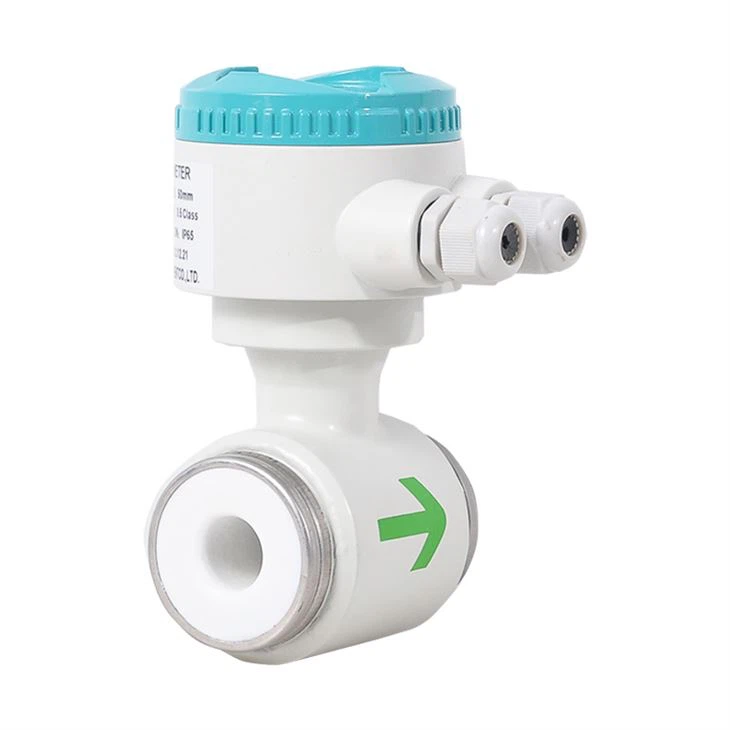
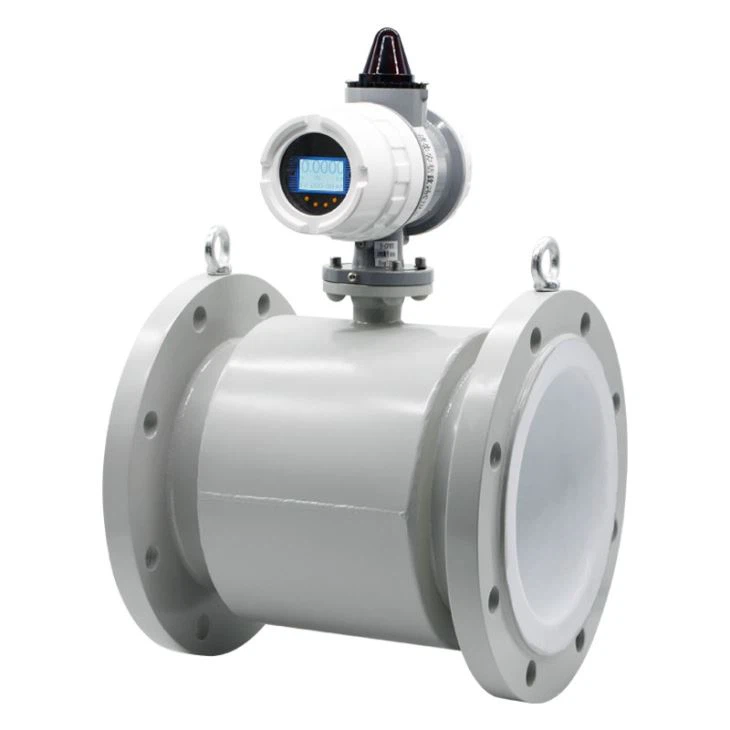
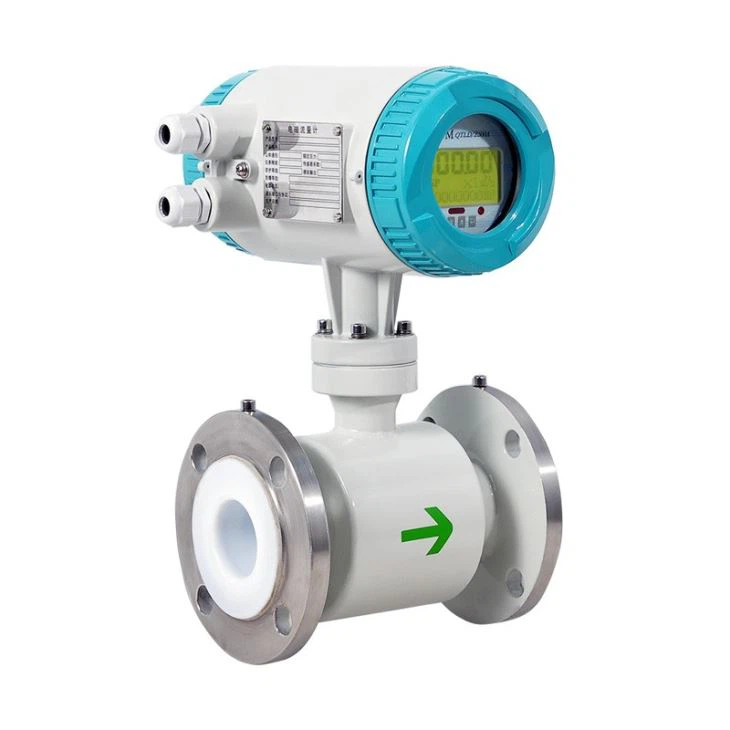
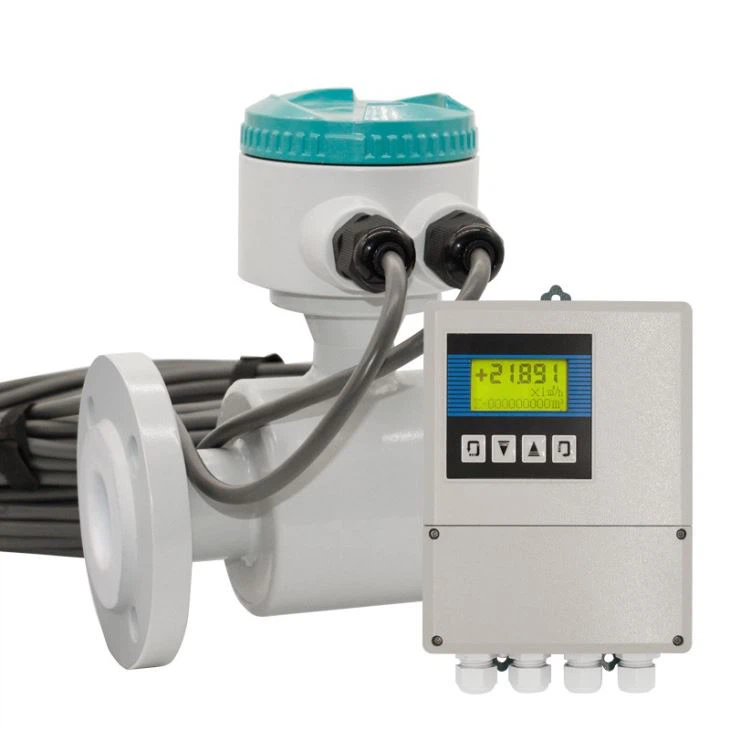
Q&T drinking potable water flow meter (also called electromagnetic flow meter) is based on Faraday’s Law of Electromagnetic Induction. It can measures conductive liquid which conductivity is more than 5μs/cm. Ideal for applications where low pressure drop and low maintenance are required.
Features
● Measurement independent of fluid density, viscosity, humidity, temperature, pressure;
● No obstacles parts in the measuring tube, no pressure loss;
● Sensor with advanced technology with good resistance to negative pressure;
● LCD with back light make sure reading easily;
● Excellent flow measurement accuracy, can measure bi-directional flow;
● Self-diagnosis function, intelligent work;
● Built-in grounding electrode, make sure good stability;
● Widely flow velocity range: 0.1-15m/s;
● Protection IP68 available (remote type only);
● Various Type Flanges available: ANSI, JIS, DIN, EN etc;
What is self-diagnosis function in drinking portable water flow meter?
Self-diagnosis function including:
● System alarm
● Empty pipe alarm
● High & Low Limit alarm
FAQ
1. What are the output signals available in drinking potable water flow meter?
Standard output signal: 4-20mA, pulse, RS485
Optional: HART/Profibus communication
Special Functions: SD card, Bluetooth etc.
2. Can the flow meter be installed vertically?
Yes, it can be installed vertically. Electromagnetic flow meter requires the liquid full of pipe to work well. It can be installed horizontally or vertically just ensure the liquid is full of pipe and when install vertically flow direction need from down to up. If flow direction is from up to down, it is not ok.
3. What is integral transmitter and remote transmitter?
Integral transmitter is mounted on the top of the flow sensor and there’s no extra cable required between the integral transmitter and the flow sensor. Remote type comes with junction box on the top of the flow sensor. There’ll be cable between junction box and remote transmitter. Max cable length between flow sensor and remote transmitter is 100m.
